ANJI BRIDGE
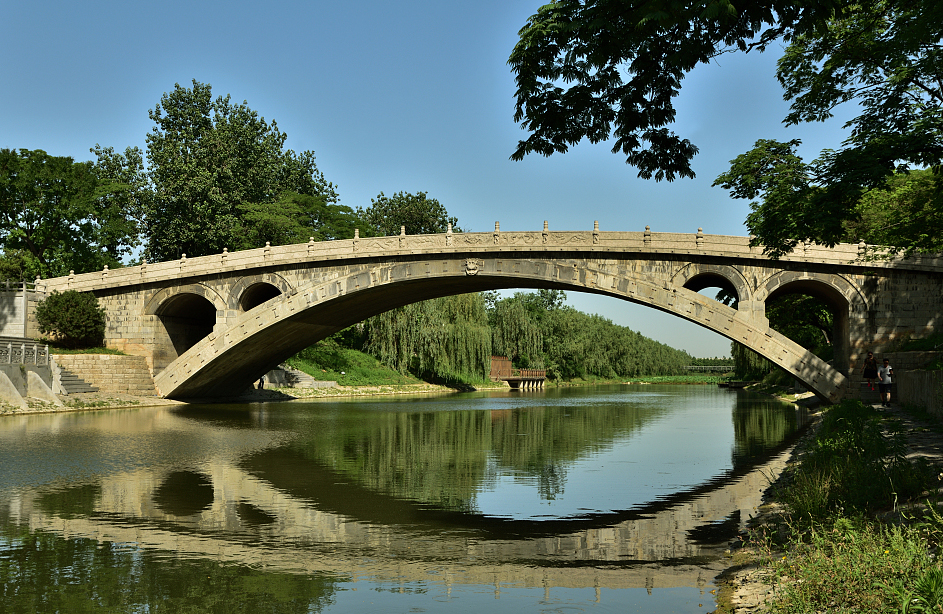
Located in Hebei Province, the Zhaozhou Bridge, also known as the Anji Bridge, is an iconic symbol of ancient Chinese engineering. Built during the Sui Dynasty around 600 AD, it spans the Xiaohe River. What makes this bridge remarkable is its single, massive arch, which was a pioneering feat of engineering at the time of its construction. The bridge is celebrated for its elegant design, durable construction using stone and brick, and its enduring historical significance as one of the oldest standing bridges in the world.
LUPU BRIDGE
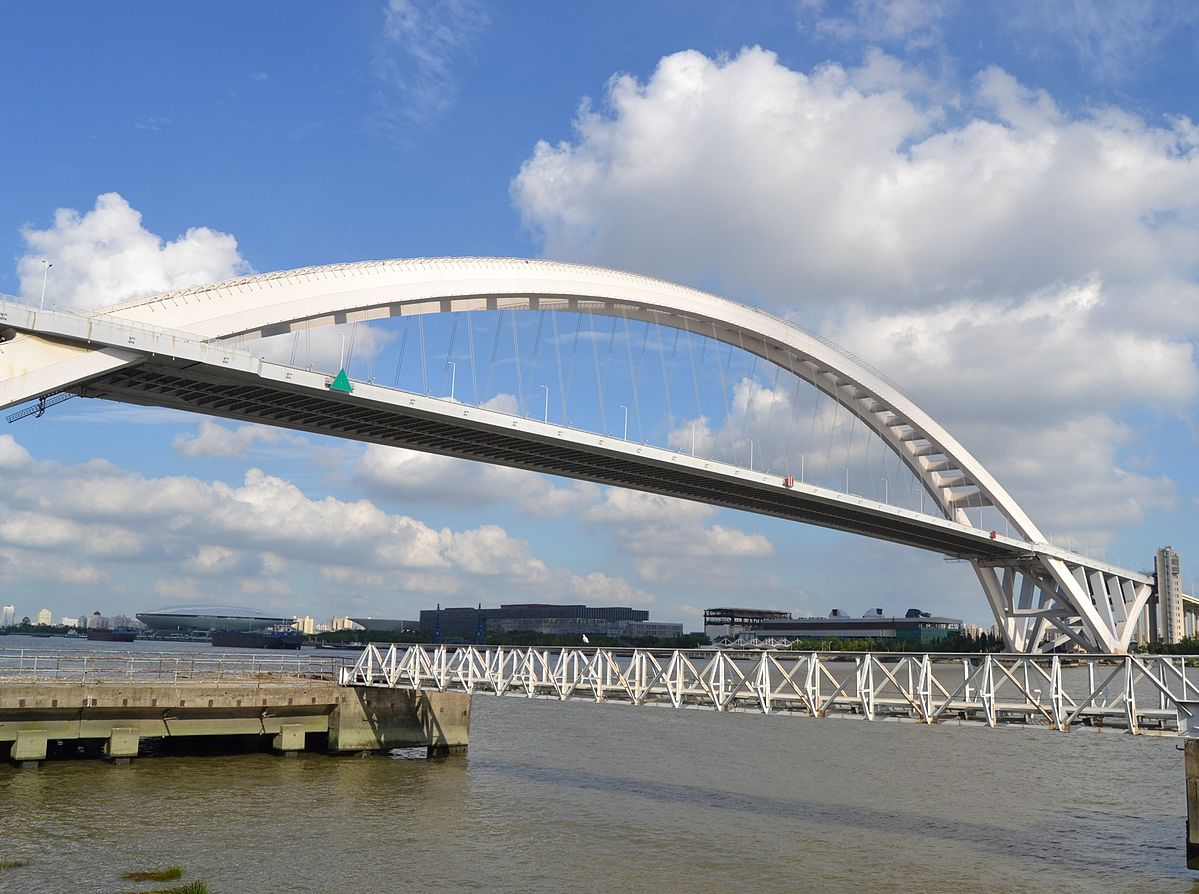
As one of the most recognizable landmarks of Shanghai, the Lupu Bridge is a testament to modern engineering prowess. Completed in 2003, it spans the Huangpu River, connecting the Puxi and Pudong districts. What sets Lupu Bridge apart is its graceful arch design, making it one of the longest arch bridges in the world. Beyond its functional purpose of facilitating transportation, the bridge has become an iconic symbol of Shanghai's rapid urban development and architectural innovation.
DANYANG KUNSHAN
GRAND BRIDGE
he Danyang-Kunshan Grand Bridge is an engineering marvel that spans across vast stretches of land in China, connecting the cities of Danyang and Kunshan. As the world's longest bridge, it stretches for an astonishing length of approximately 164.8 kilometers (102.4 miles), making it a monumental feat of modern infrastructure and construction. Constructed as part of the Beijing-Shanghai High-Speed Railway, the Danyang-Kunshan Grand Bridge showcases the cutting-edge capabilities of modern engineering and technology.

Siduhe Bridge
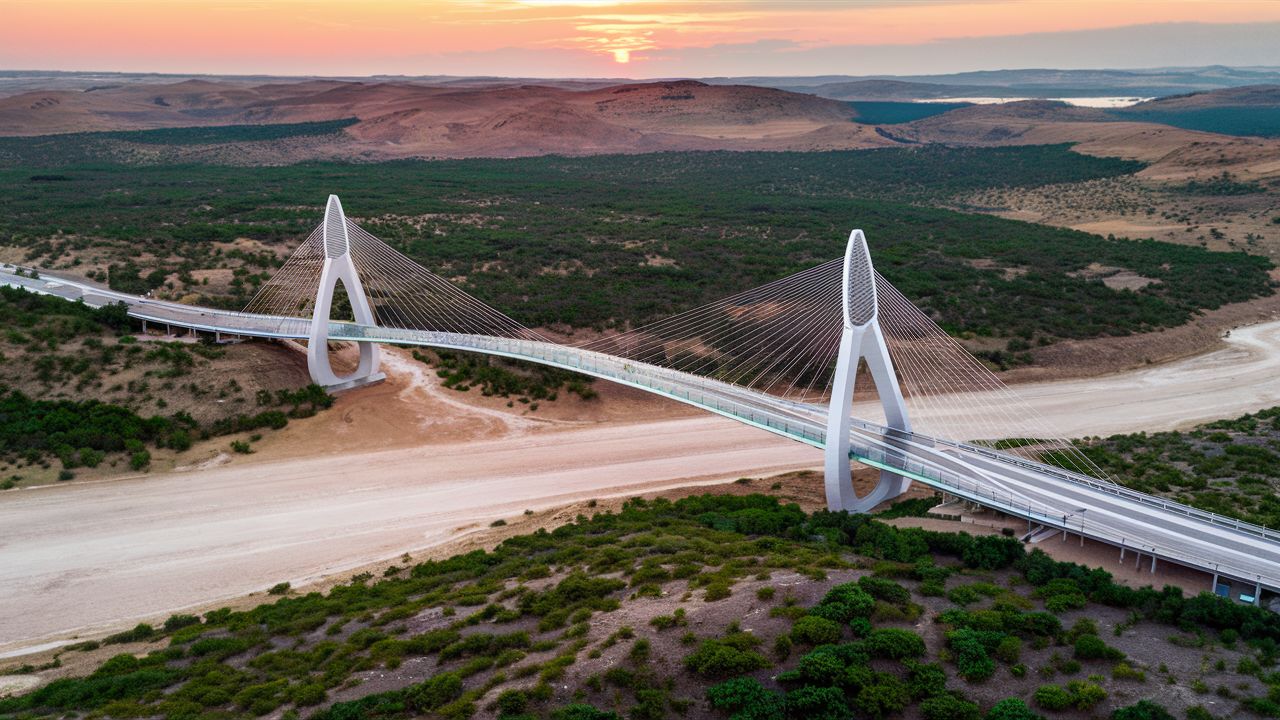
The Siduhe Bridge, also known as the Sidu River Bridge, is a remarkable engineering feat that spans the Sidu River Gorge in Hubei Province, China. As one of the highest bridges in the world, it holds the record for the highest bridge deck height, standing at a staggering height of approximately 496 meters (1,627 feet) above the river below. Constructed as part of the G50 Huyu Expressway, the Siduhe Bridge is a testament to modern engineering ingenuity and technological advancement.
.png)
